If you can't tell, does it matter?
We've been fine with fake origin stories for generations.
Published Mar 9, 2026
Author Steve Berry
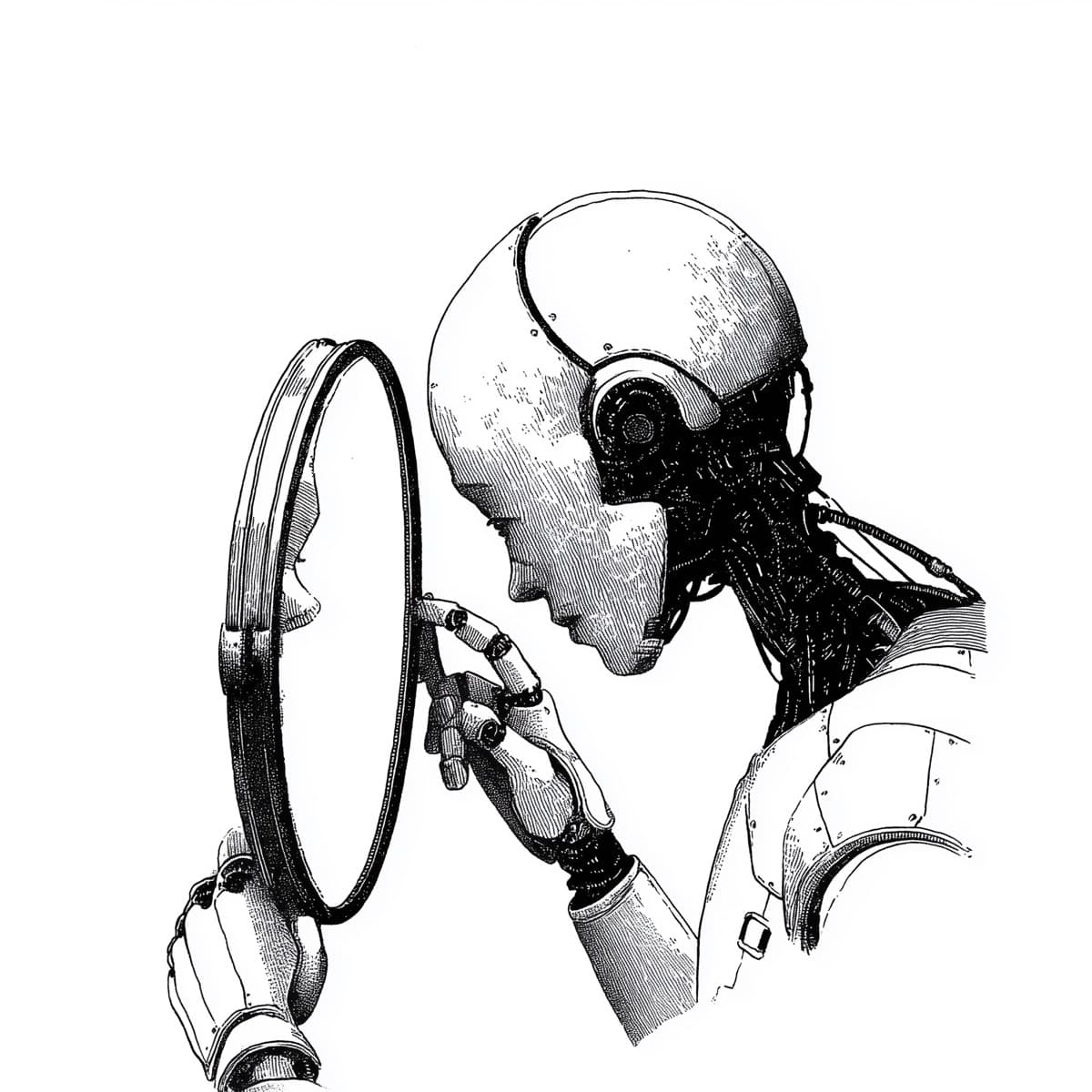
There's a moment in the first season of Westworld where a host (robot) is fitting a customer (human) in cowboy gear and starts coming on to him, sexually. He hesitates. She's a robot. She says: "If you can't tell, does it matter?"
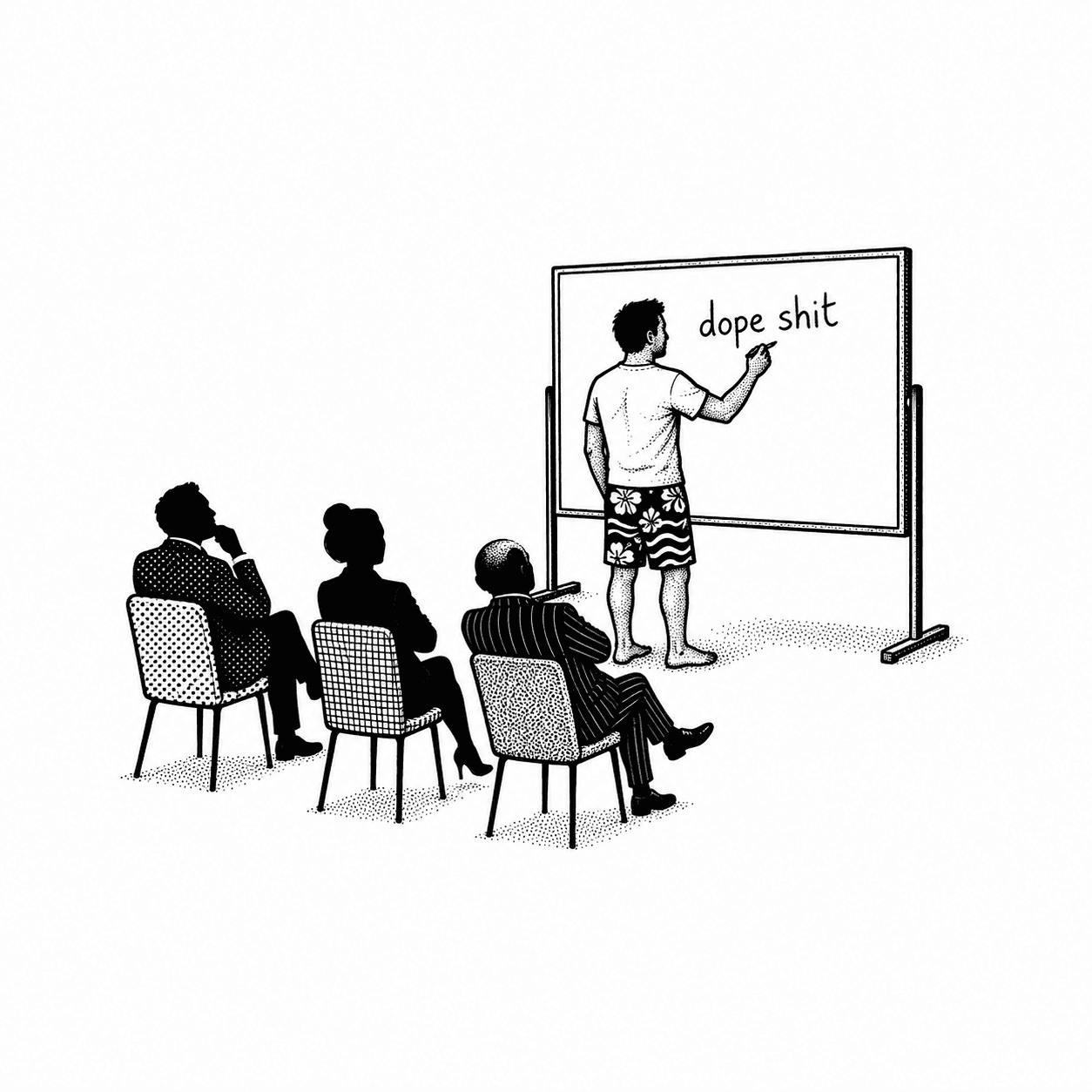
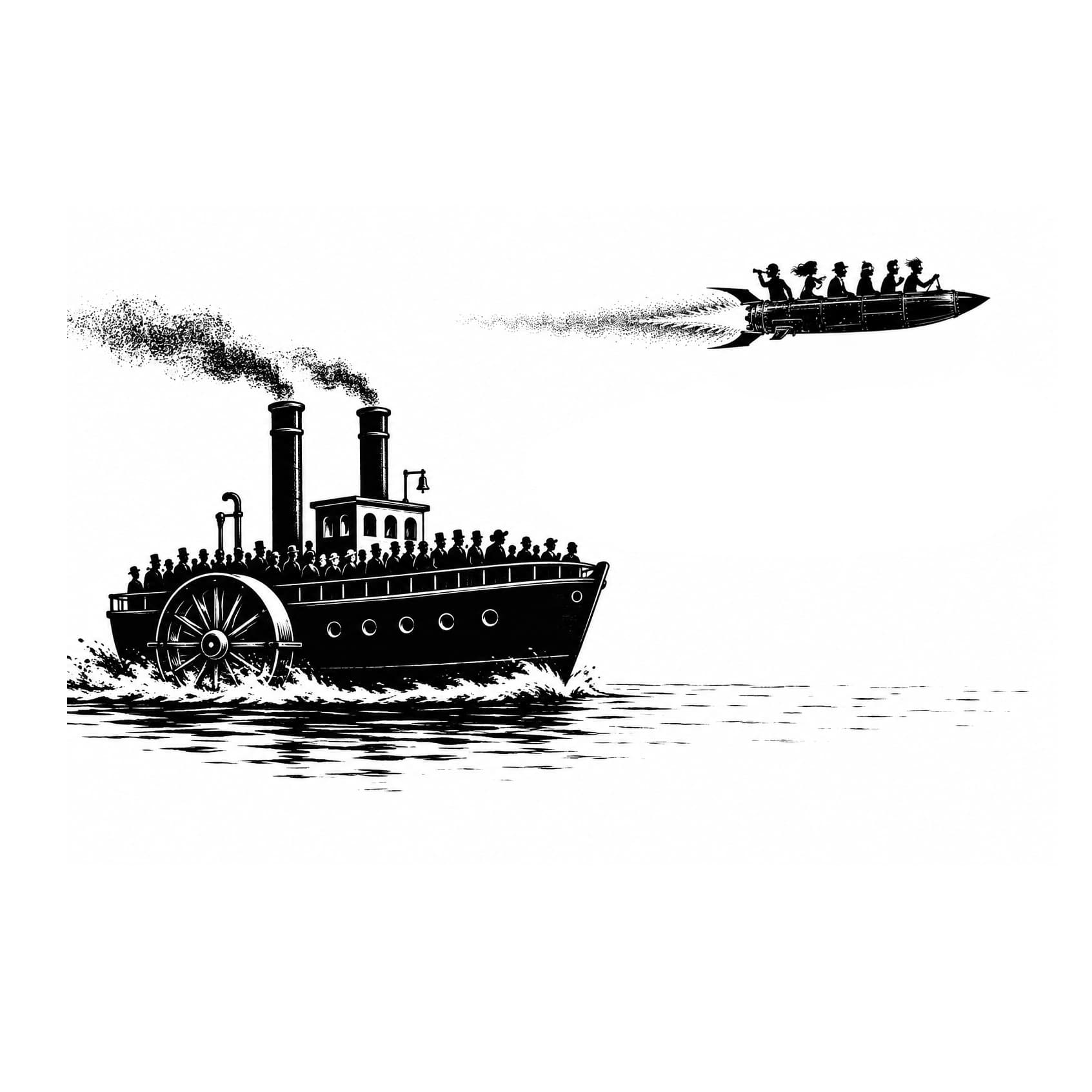
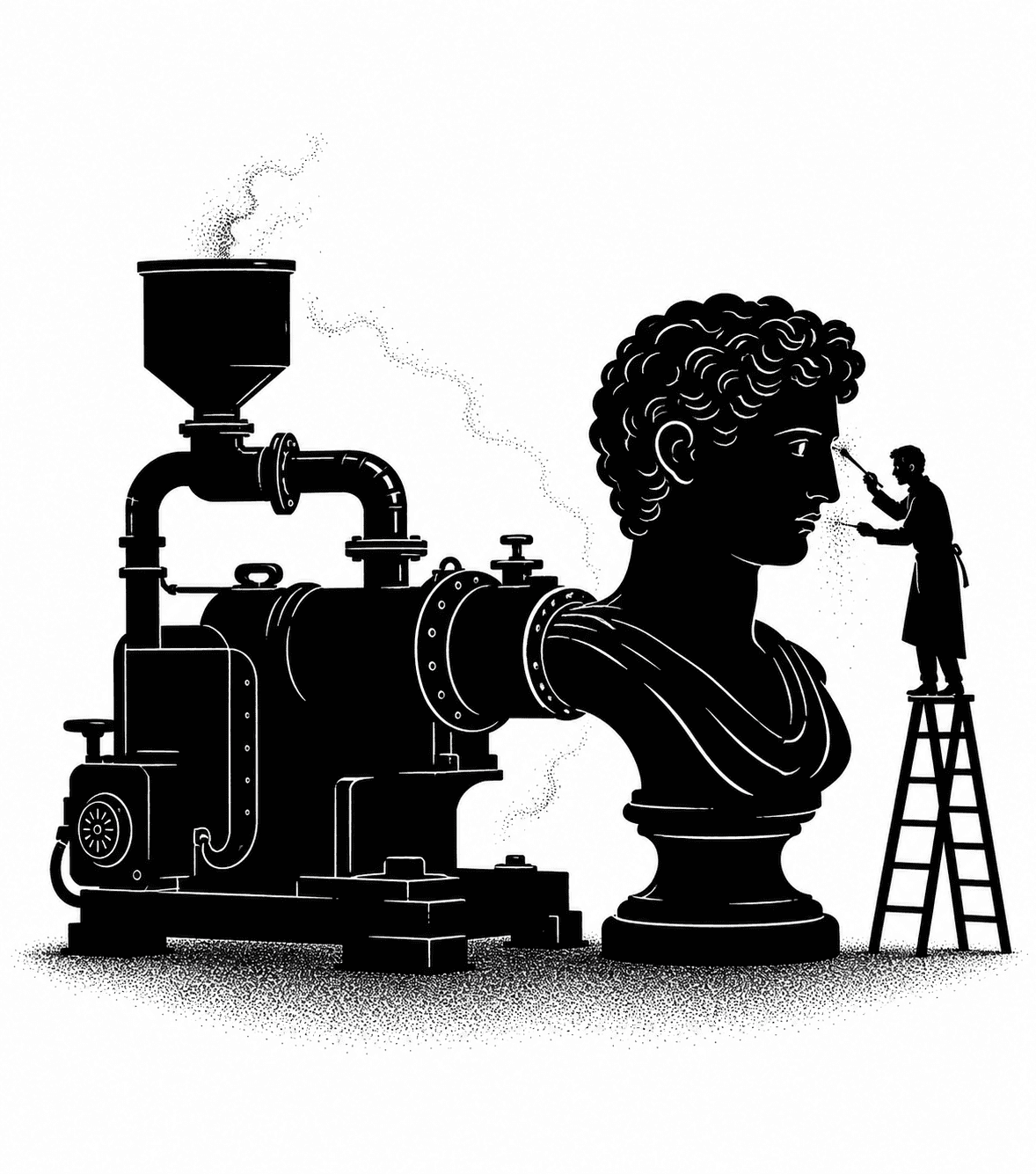
I think about that line constantly now. We're deep into the era where AI is augmenting everything. If the experience was good; the email clear, and the plan sound — does it matter what made it? Nobody asks what brand of chisel carved the sculpture. The tool has never been the point. Humans don't just consume outputs. We consume stories about how things were made. That story is, a big, part of the product. It's why we pay more for products with good stories.
The AI-made thing doesn't have that story (yet). Its origin story is: a most likely white male drank coffee and typed a prompt. So what happens next? You already know…Capitalism fabricates origin stories.
We do it with food: "farm to table", "artisanal" bread from a factory with a rustic font. AI provenance (thanks Patrick for adding this to my lexicon) fraud is next.
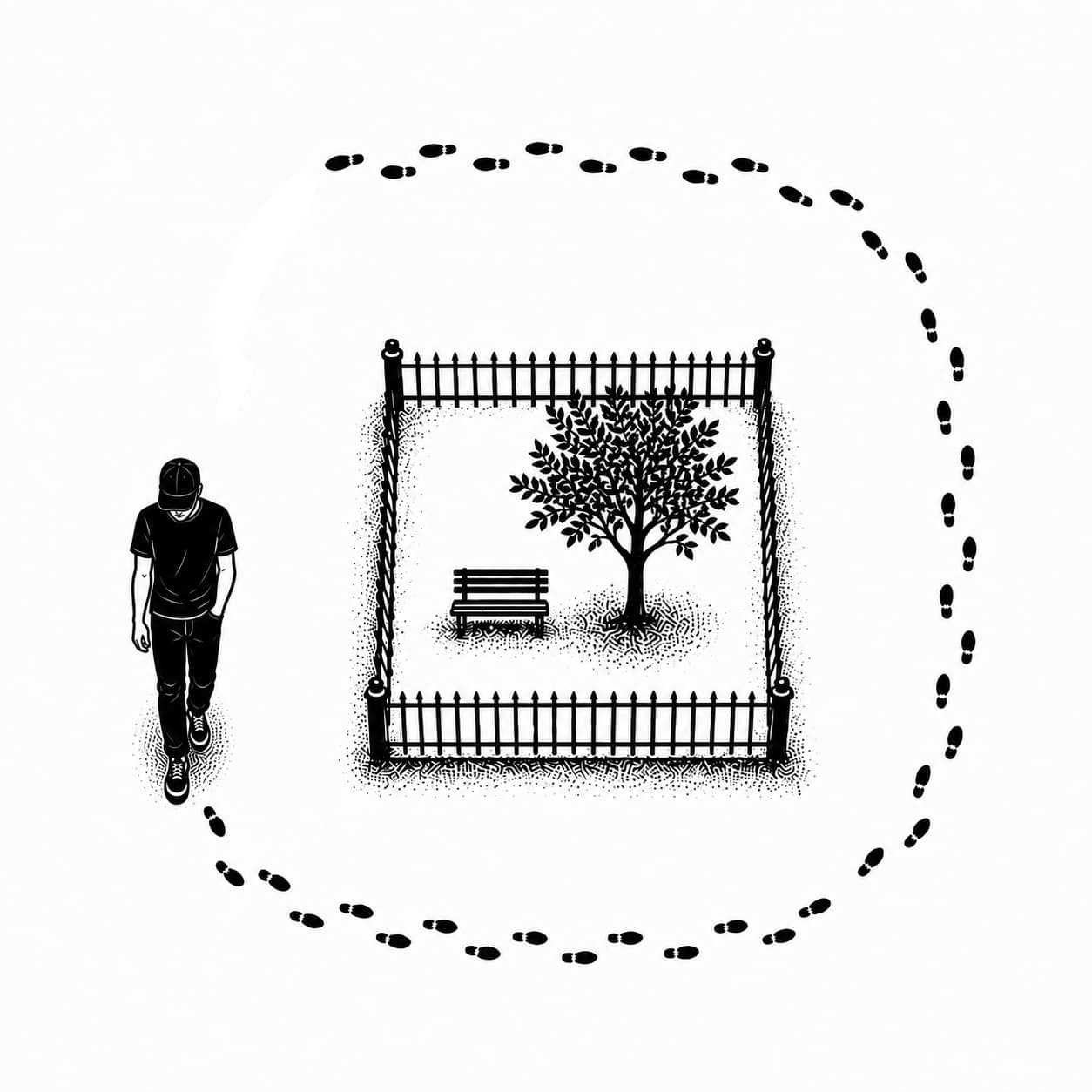
We've been fine with fake origin stories for generations. The "family recipe" that came off a box. The "heritage brand" founded in 2019. The "handmade" label on something from an assembly line. We buy it anyway.
But when a robot does it? Suddenly we are outraged! Which is weird because the human version of this lie has been running for centuries.
Here's where the Westworld metaphor breaks in an interesting way. In the show, the robots eventually develop real deep stories… suffering, memory, consciousness. What happens when the AI's origin story becomes more compelling than the prompter's?
If you can't tell, does it matter?