There's No Sommelier of Knowing What You Want
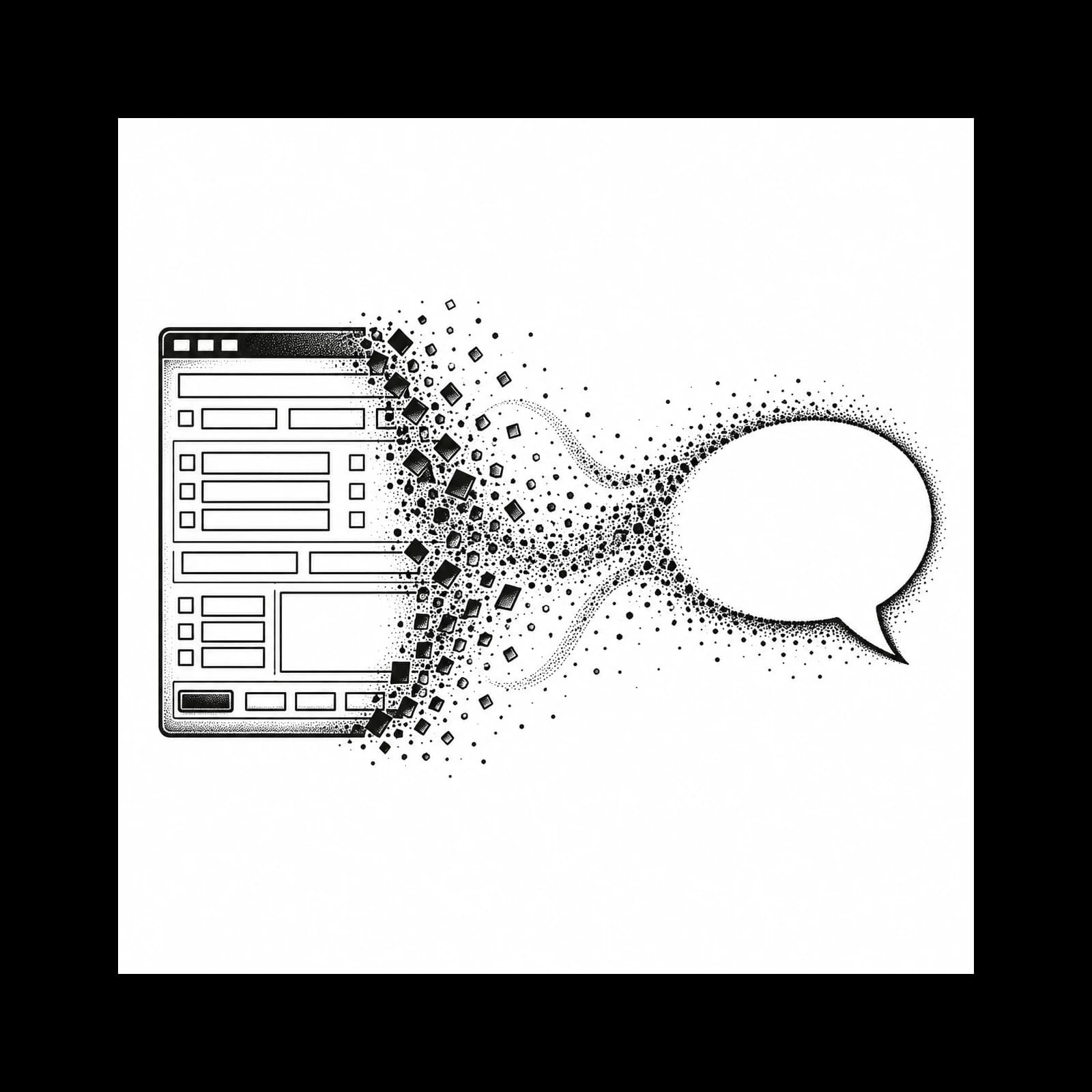
The interface is a conversation now. You type what you want, and increasingly you get it.
The interface is a conversation now. You type what you want, and increasingly you get it.
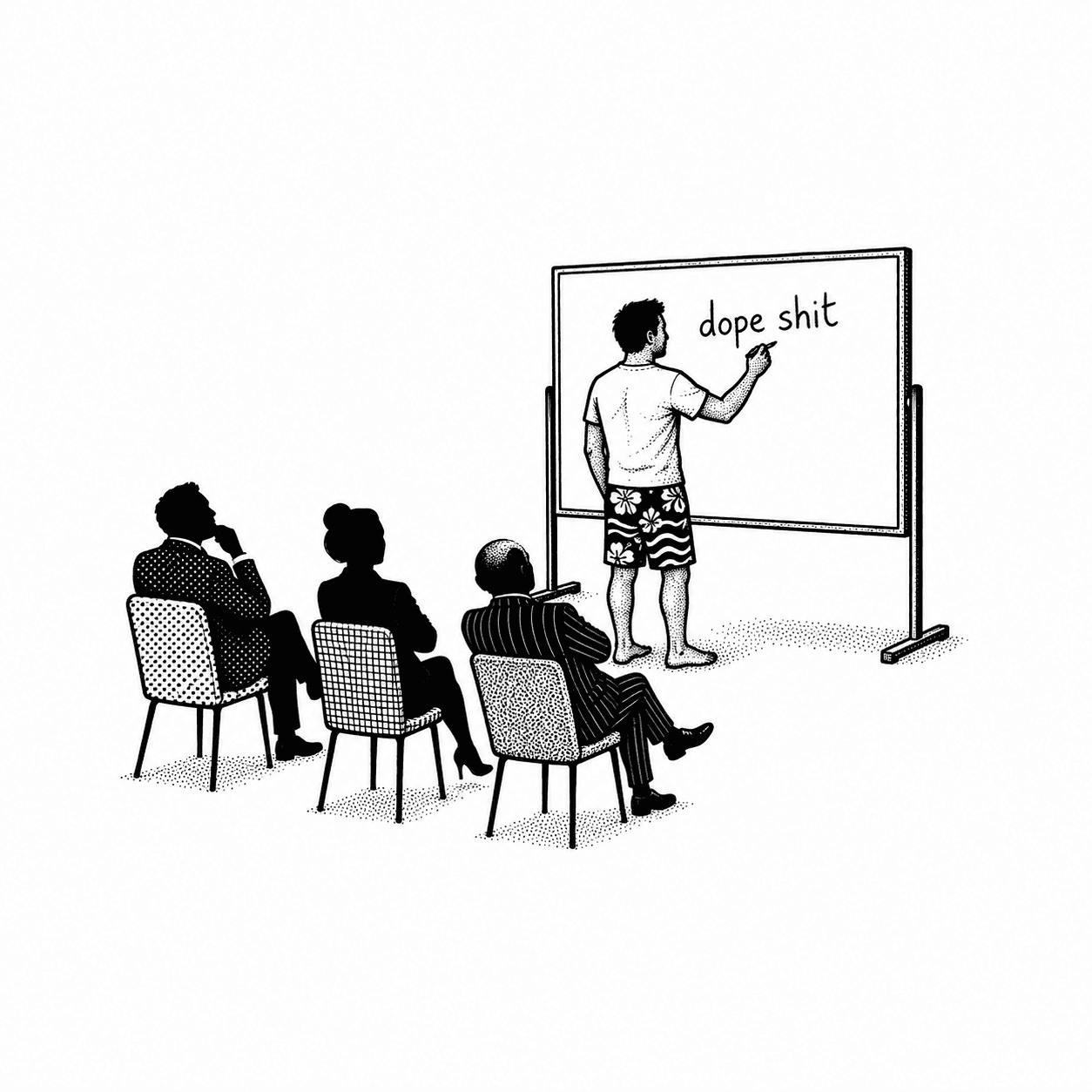
I've spent my career navigating this. People swear they have a clear vision but can't answer any follow-up questions. The stakeholder who says "I'll know it when I see it." That's not vision. That's deferred judgment. A polite way of saying: I don't know what I want, but I'm not ready to admit it.
AI didn't create this problem. It made it impossible to ignore. I love this! Hooray confrontation!
Ask most people why they love their Porsche. "It's just beautiful." Push them and they stall. That's why badge brands exist. Porsche manufactures the vocabulary for you. Wine does it even better. The tasting room gives you the heritage, the cinnamon notes, the founder's ritual. Now you have language.
There's no equivalent for knowing what you want from AI. No tasting room where someone walks you through the difference between "make this page look better" and "increase the visual hierarchy of the primary CTA while reducing cognitive load in the secondary navigation." Same desire. Wildly different precision.
The answer isn't "prompt engineering." It's philosophical. The same skill a good lawyer has, or a good designer: taking something foggy and making it specific. Sitting in uncertainty and poking at it until something solid emerges.
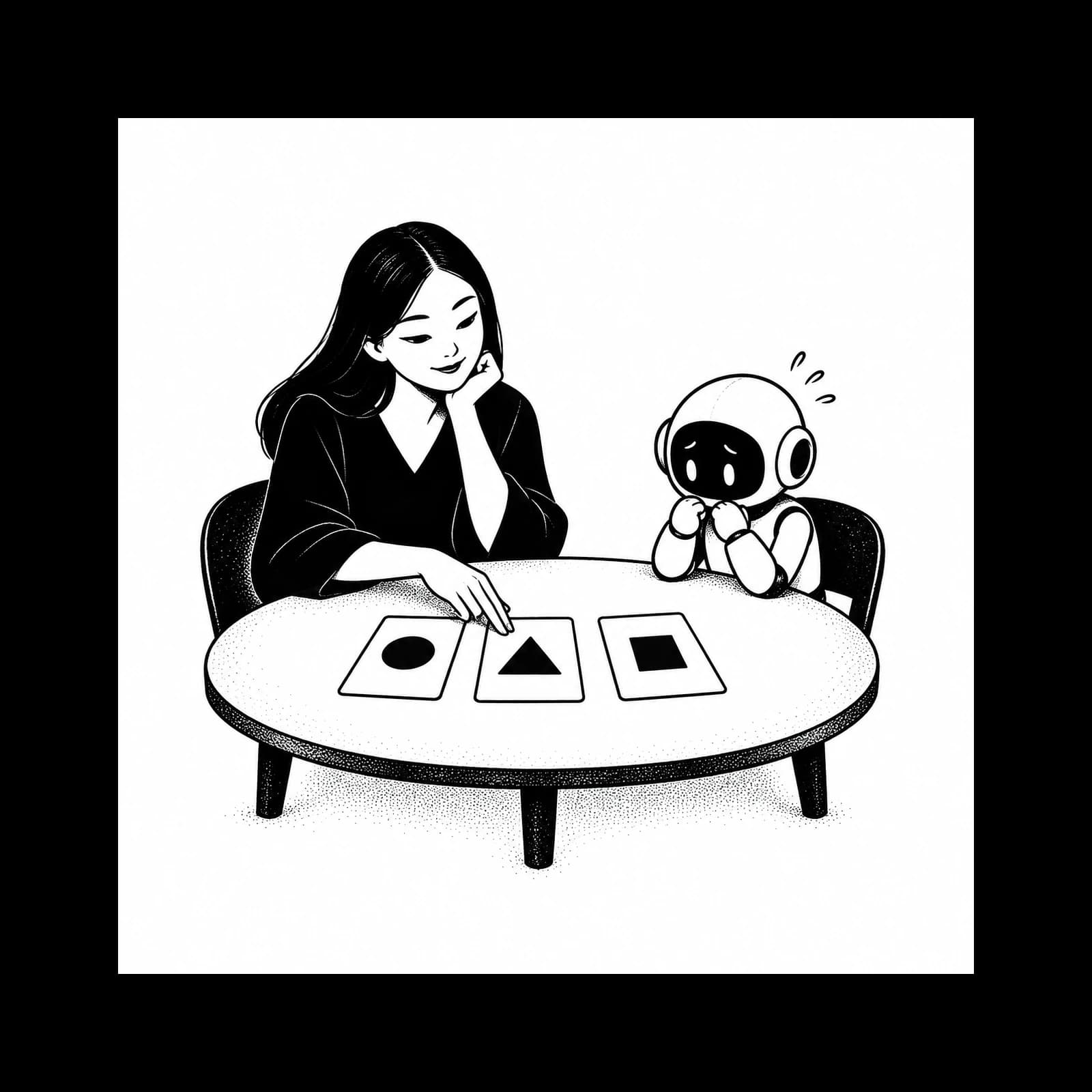
Most people don't know that they don't know. That's the real problem.
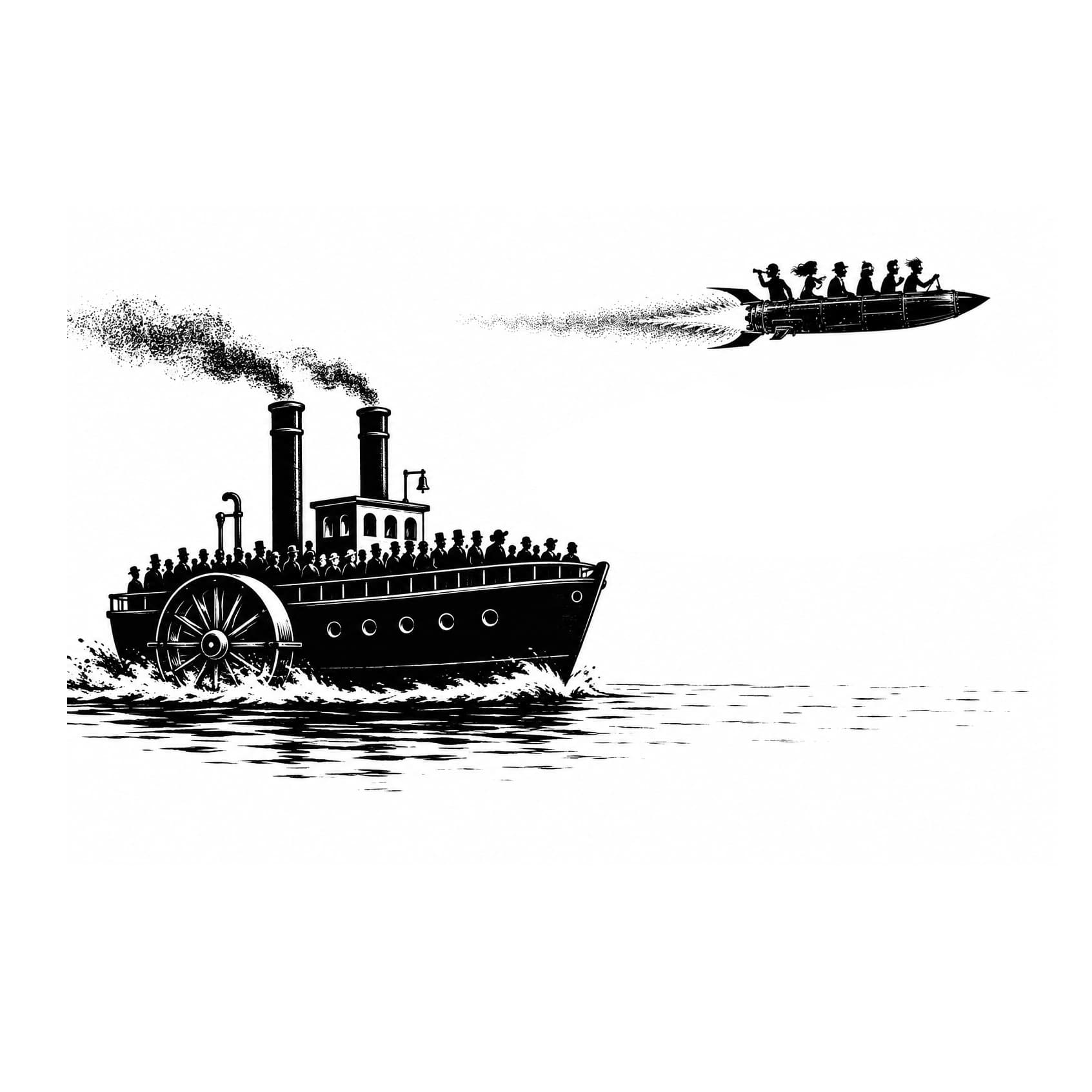
We're spending billions making AI smarter. We're spending nothing making humans better at knowing what they want.